
The Psychology Behind Gambling
Understanding the psychology of gambling is crucial to recognizing how casinos manipulate odds to keep players engaged. One of the primary ways they achieve this is through cognitive biases. Gamblers often fall prey to the illusion of control, which leads them to believe that their choices can influence the outcomes of games of chance. For example, a player may convince themselves that selecting specific numbers in a game of roulette can sway the ball’s landing, especially when they enjoy online pokies that seem to offer more favorable odds. Casinos capitalize on these biases by designing environments that make players feel empowered, thereby encouraging them to continue playing.
Another psychological tactic involves the concept of near-misses, which are experiences where players almost win. This phenomenon is particularly common in slot machines, where players might see symbols aligning just shy of a jackpot. Such near-misses trigger excitement and encourage further play, as the perception of being close to a win boosts motivation. Casinos intentionally design their games to create these near-miss experiences, effectively increasing the duration of play and enhancing players’ emotional investment in the outcomes.
Moreover, the overall ambiance of a casino plays a significant role in manipulating player behavior. Bright lights, engaging sounds, and a vibrant atmosphere are tailored to keep players entertained and distracted from the reality of their losses. This sensory overload creates a euphoric feeling; players often forget their losses and continue to gamble in search of that elusive win. Such psychological manipulation ensures that players remain longer in the casino, directly increasing the establishment’s profit margins.
Game Design Elements
The design of casino games is meticulously planned to enhance player engagement and prolong gaming sessions. One significant aspect is the use of variable payout structures, particularly in slot machines, which create a ‘win big or lose small’ environment. This setup keeps players on the edge of their seats, as the prospect of a substantial payout is always just one spin away. The randomness of the game, intertwined with the reward frequency, is designed to maintain interest and excitement, compelling players to continue gambling despite the inherent risks.
In addition to variable payouts, casinos often integrate bonuses and promotions to further entice players. Welcome bonuses, for instance, create the illusion of an increased chance of winning. These promotions provide players with extra credits, making them feel as though they have a better shot at hitting a significant win. However, the fine print often reveals hidden conditions that ultimately diminish the actual odds of winning, illustrating the underlying manipulation at play in the gaming industry.

Another crucial aspect is the volatility of games, which casinos manipulate to sustain long-term engagement. High volatility games can lead to substantial wins but are balanced with a frequency of losses. This balance ensures that players experience intermittent rewards, which yield excitement while contributing to an ever-increasing amount of time spent at the tables or machines. By controlling the equilibrium between risk and reward, casinos maintain an environment where players feel compelled to keep trying their luck, believing that a big win is just around the corner.
House Edge and Return to Player
The concept of the house edge is central to understanding how casinos maintain their profitability while appearing to offer fair odds to players. The house edge represents the statistical advantage that the casino has over players in any given game, ensuring that, in the long run, the casino will always come out ahead. By subtly adjusting the odds in favor of the house, casinos create a framework where players may win in the short term but are bound to lose overall, fostering an environment that encourages prolonged play.
Return to Player (RTP) percentages are often advertised by casinos, yet they can be misleading. While a game might boast an RTP of 95%, this figure does not guarantee players a 95% return on their investment over time. Instead, it reflects a long-term average based on millions of spins or hands, meaning that individual players may experience far greater losses. This setup keeps players engaged, as the occasional big win creates hope for future success, even though the odds are stacked against them in the long run.
It’s also worth noting that certain games are designed with lower RTPs to entice players toward higher stakes. This strategy appeals to high rollers seeking greater thrills and bigger wins, while simultaneously increasing the house’s edge. The careful manipulation of the house edge and RTP not only ensures profitability for the casino but also instills a sense of ongoing competition among players, leading them to believe they can outsmart the odds through sheer determination and persistence.
Emotional Triggers and Reward Systems
Emotional triggers play a substantial role in why gamblers continue to play, despite facing losses. Casinos design their games to evoke strong feelings of excitement and anticipation. For instance, celebratory sounds and visuals are utilized when a player wins, even if it’s only a small amount, reinforcing positive emotions and creating a compelling desire to chase that thrill. This cycle of reward can lead to repeated play, as players become conditioned to enjoy the highs associated with winning, often overlooking the lows of losing.
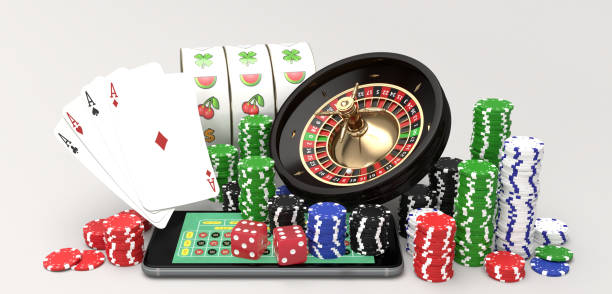
The social aspect of gambling significantly enhances player engagement. Many casinos cultivate a communal atmosphere where players share experiences and celebrate victories together. This camaraderie creates a more rewarding environment, making it feel more engaging to play. The presence of others reinforces emotional triggers, as players may feel more inclined to continue playing to enhance their social interactions, even when faced with the financial implications of their actions.
Additionally, loyalty programs are strategically designed to keep players returning to the casino. Many establishments offer points or rewards for continued play, establishing a sense of progress and providing incentives to keep gambling. This system can lead players to pursue rewards that may take considerable time and money to achieve, effectively locking them into a cycle of continuous play. The emotional and social design of the casino experience proves to be a powerful tool in maintaining player loyalty and engagement.
Understanding Casino Websites
In the digital age, understanding how online casinos operate is essential for informed gaming. Similar to traditional casinos, online platforms employ tactics to manipulate odds and keep players engaged. The psychological tricks, game designs, and emphasis on emotional engagement are mirrored in the online experience. Many players may initially feel safer playing from the comfort of home, but the same manipulative strategies apply, often in more sophisticated and less transparent ways.
Online casinos frequently employ algorithms to analyze player behavior, tailoring experiences to funnel players toward games that maximize profit for the house. This level of personalization enhances player retention by ensuring that players are engaged with games they enjoy. Whether through targeted promotions or curated game selections based on past behavior, these tactics are designed to keep players invested, even when they may not be playing in a traditional casino setting.
Furthermore, online platforms often leverage captivating visuals, immersive themes, and interactive formats to draw players into a deeper gaming experience. The use of gamification elements, such as levels, achievements, and social sharing features, creates an engaging atmosphere that can be more addictive than conventional gambling. Recognizing how these websites manipulate odds and player behaviors can empower players to make more informed decisions about their gambling habits and strategies.